
Counselling for individuals and couples, online or in person
Support to develop greater understanding, connection and meaningful change

My approach
My work is grounded in the person-centred belief that you are the expert on your own life. Rather than diagnosing you, giving advice or telling you which decisions to make, I will listen carefully and support you in exploring your feelings, experiences and relationships.
Alongside my person-centred approach, my specialist relationship training helps me understand the patterns and dynamics that can develop between couples.

A space to be yourself
In individual counselling, our sessions are led by what feels important to you. There is no need to prepare or arrive with everything clearly understood. You can bring whatever is on your mind, and we will explore it together at a pace that feels manageable.
Relationship counselling begins with a more structured assessment phase, allowing me to understand your relationship, each partner’s perspective and what you both hope to gain from therapy.
The healing power of connection
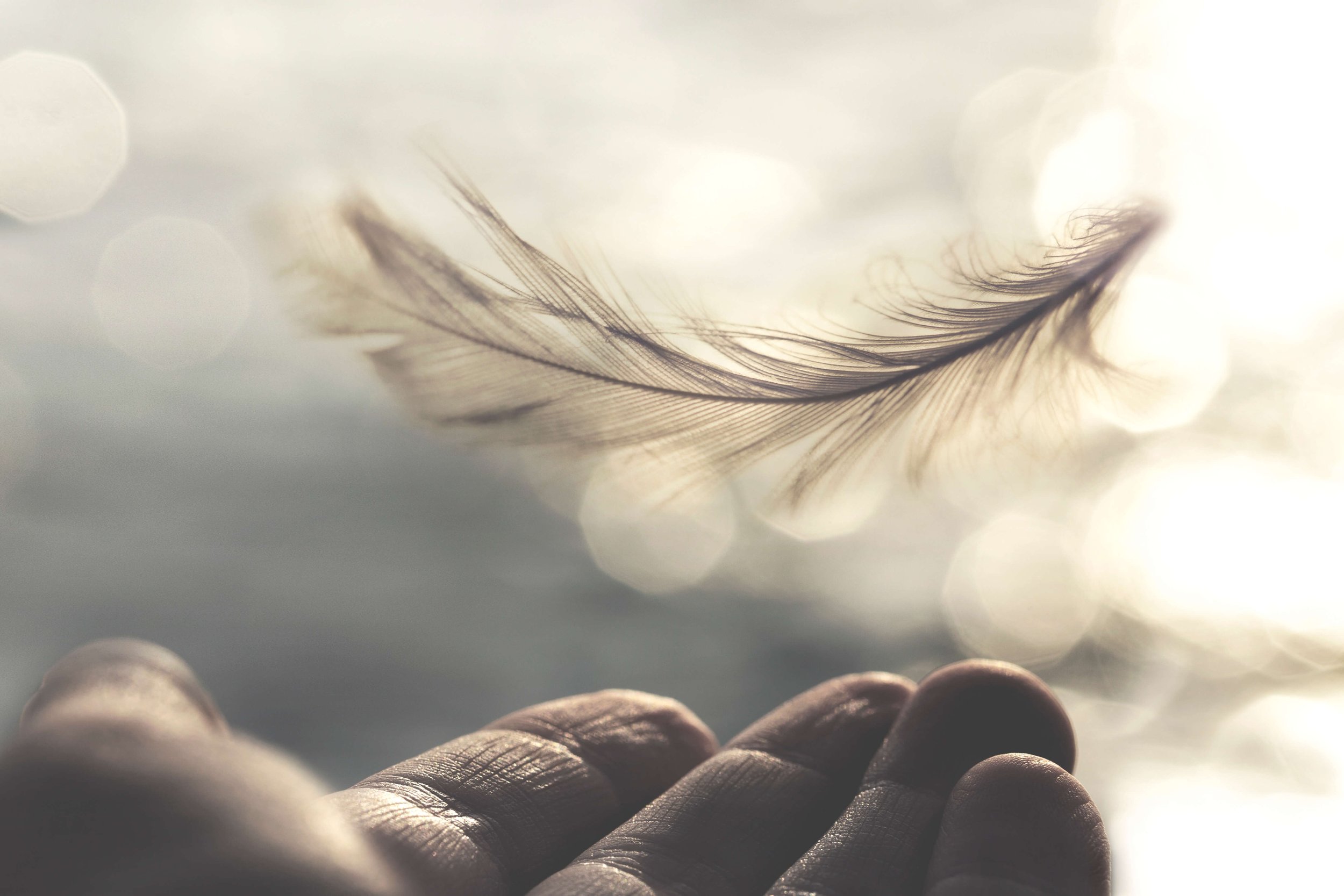
The relationship we create together is an important part of counselling. By offering warmth, honesty and a genuine attempt to understand your experience, I aim to create an environment where you feel able to explore difficult thoughts and emotions without judgment.
Many people begin counselling feeling as though something about them needs to be “fixed.” I do not believe you are broken. Being genuinely heard and accepted can help you understand yourself with greater clarity and compassion.
When working with couples, I aim to provide a balanced space where both partners feel heard. Rather than assigning blame or taking sides, we will explore the patterns between you and what may be making connection or communication difficult.

How I can help
Together, we can explore a range of experiences and difficulties, including:
Anxiety, depression and emotional overwhelm
Low self-esteem or lack of self-worth
Stress and work-life balance
Grief, bereavement and other forms of loss
Loneliness, isolation or disconnection
Long-term illness and significant life changes
Anger, frustration or difficulty expressing emotions
Relationship communication and conflict
Emotional disconnection and recurring relationship patterns
Trust, infidelity, separation or divorce